
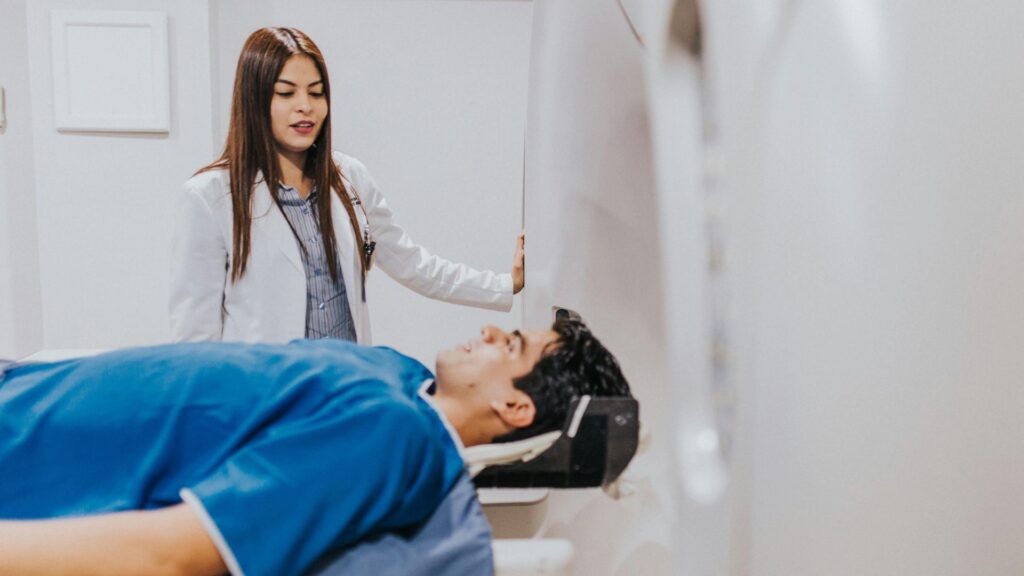
Once believed to be doomed by two severe illnesses, a 63-year-old man has achieved complete remission from both HIV and cancer. This remarkable turnaround is attributed to an extraordinary series of coincidences that continue to surprise even his medical team.
Living With HIV Since 2006, Diagnosed With Cancer in 2017
The man, referred to as the “Oslo Patient,” has been living with HIV since 2006, effectively managing his viral load with antiretroviral medications. However, in 2017, a new blow struck: he was diagnosed with myelodysplastic syndrome, an aggressive blood cancer that disrupts blood cell production in the bone marrow. Without a transplant, his chances of survival were critically low.
The Search for a Rare Donor
The medical team at Oslo University Hospital embarked on an intensive search for a compatible donor. Their initial strategy focused on finding a donor with the rare CCR5-delta32 mutation, a genetic anomaly that confers natural resistance to HIV, which only about 1% of the Northern European population possesses. After this first attempt proved unsuccessful, the doctors turned to the patient’s older brother in hopes of better genetic compatibility.
A Stunning Discovery on the Day of the Transplant
On the day of the transplant in 2020, the doctors were astonished to find that the donor brother also carried the CCR5 mutation. This was an incredibly unlikely occurrence in a region where only one in one hundred people have such a genetic profile. The patient himself encapsulated the moment perfectly: “It was like winning the lottery twice.”
Remission Confirmed Two Years After Surgery
Post-operative analyses gradually confirmed the success of the transplant. Two years following the procedure, the “Oslo Patient” ceased his antiretroviral treatments under strict medical supervision. Successive exams revealed no viral traces in his blood, intestines, or bone marrow. His case is officially detailed in a study published on April 13, 2026, in Nature Microbiology.
Another Name on a Very Short List
The “Oslo Patient” now joins a very exclusive list of international cases—those from Berlin, London, Düsseldorf, New York, City of Hope, and Geneva—all deemed cured or in long-term remission from HIV following stem cell transplants aimed at treating cancer. They share a common trait: they all had donors carrying the protective CCR5 mutation, with the notable exception of the Genevan patient, whose case explores alternative mechanisms.
Medical Hope, But Not a Universal Treatment
Researchers and physicians involved urge caution. Stem cell transplants remain a complex and risky procedure, associated with a significant mortality rate and severe side effects. In certain circumstances, the mortality rate can reach 20%. Nevertheless, these cases serve as invaluable “living laboratories” for research, paving the way for potential mechanisms to control or even eradicate HIV in the future.
In summary, the Oslo Patient defies medical statistics. His journey highlights how significant therapeutic advancements can emerge from extraordinary circumstances where biology, medicine, and chance intertwine in an almost unrepeatable way.
