
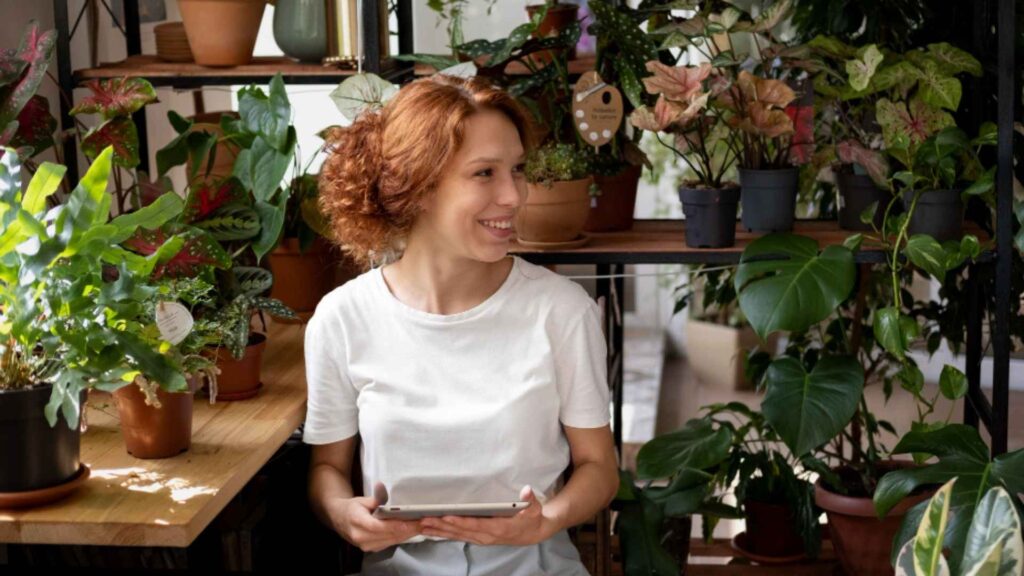
With a monstera in the living room, pothos in the kitchen, and cuttings waiting for their next pot on the windowsill, for some people, plants have transcended mere decoration. They become almost like roommates, closely monitored for the emergence of new leaves. Beneath this passion lies a deeply human need: to nurture living things.
Sociologist Serge Guérin even indicates that this reflects a fundamental anthropological need. Watering, repotting, and witnessing a plant’s growth creates a manageable sense of responsibility, distinct from the weightier obligations that accompany other caregiving roles.
Caring for a plant establishes a routine
A plant demands enough attention to cultivate a habit. We check the soil, move pots to locate optimal light, and often notice new leaves unfurling after days of anticipation.
These small acts foster a sense of utility and continuity. The plant grows slowly, responds to care with its development, and occasionally compels us to slow down and observe the subtle changes.
A study involving 421 adults living in Chinese cities found that those who tended to indoor plants reported higher levels of well-being and mindfulness. While this shows an association, it does not definitively prove that filling one’s living room with pots guarantees increased happiness.
Your indoor jungle brings you closer to nature
In a daily life dominated by concrete, commuting, and screens, introducing a plant adds an element of life to a highly controlled environment. This may explain why some individuals develop a strong attachment to their green companions.
Researchers note a correlation between the care given to indoor plants, the sense of connection to nature, and overall well-being. More than just decorative objects, plants offer a highly accessible means of maintaining that connection, especially for urban dwellers.
Of course, there’s no obligation to turn every room into a tropical greenhouse. A single plant can suffice if it brings you joy.
Loving your plants doesn’t dictate your life choices
The term “plant parent” may carry a light-hearted tone, but it shouldn’t be over-analyzed.
Caring for plants does not necessarily replace the need for children or a partner. It can simply reflect the joy found in nurturing something that grows in front of us.
And if your home is overflowing with greenery, there’s no reason to feel guilt as long as this passion remains enjoyable and fits within your budget and living space.
Your indoor jungle may not be just a matter of décor; it expresses the simple pleasure of watching something thrive because you cared for it.
