
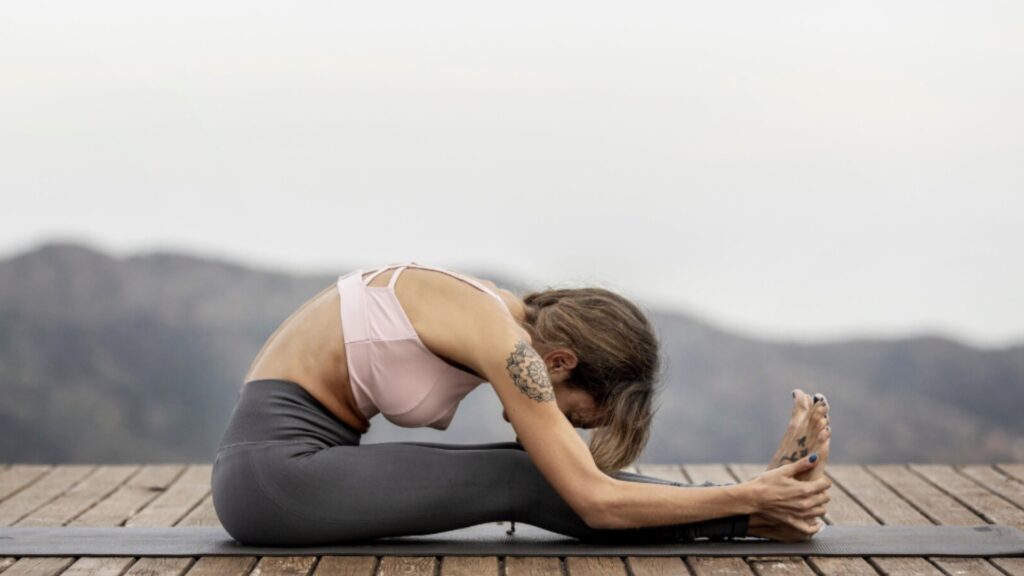
Menstrual pain is an experience that affects many women and can significantly disrupt daily life. For those seeking gentle ways to alleviate these discomforts, yoga presents an intriguing option. One particular pose, known as the cobra pose, has shown promising results for some women suffering from menstrual cramps.
The Cobra Pose: A Gentle Movement for the Body
Referred to as “Bhujangasana” in Sanskrit, the cobra pose is a classic yoga position. The practice involves lying flat on your stomach, placing your hands beneath your shoulders, and gently lifting your upper body while keeping your pelvis grounded. This chest-opening pose stretches the abdominal area and lower back, which are often tense during menstruation.
Accessible for beginners, the cobra pose requires no special equipment or extensive yoga experience. It can easily be incorporated into a wellness routine, as long as one remains attuned to their body and avoids any strain.
@serotoninflow Striking cobra yoga pose #yoga #yogatiktok #yogaflow #yogatips #fyp #beginneryoga ♬ Sahara – Hensonn
What a Study Reveals About Yoga and Menstrual Pain
The cobra pose was examined in a clinical trial published in the Journal of Pediatric and Adolescent Gynecology by researcher Zahra Rakhshaee. The study aimed to assess the effects of three yoga positions—the cobra, cat, and fish poses—on menstrual pain.
In this study, 92 young women aged 18 to 22 with primary dysmenorrhea, which refers to menstrual pain without an identified gynecological condition, were observed over three menstrual cycles. Participants were divided into two groups, and their pain levels were measured using a specific scale.
The results indicated a reduction in both the intensity and duration of menstrual pain for those practicing these poses. The researchers highlighted that yoga could offer a simple and accessible approach for women to manage their symptoms.
Why Might This Pose Provide Relief?
Several mechanisms may explain these positive effects. The gentle stretching associated with the cobra pose may help relax the abdominal and lower back muscles that often tense up during menstruation. Additionally, the deep breathing practiced during yoga contributes significantly to relaxation and may enhance pain management.
Moreover, yoga is known for its positive effects on stress, which can sometimes intensify the perception of physical discomfort. Engaging in gentle movements, breathing exercises, and taking time to focus on oneself can become invaluable tools for women during this phase of their cycle.
A Solution Not Suitable for Every Situation
While the findings are encouraging, it’s essential to temper them with caution. This study involved a limited number of participants, primarily young women without known gynecological issues. Thus, the cobra pose cannot be deemed a universal solution for menstrual pain.
Some women may experience significant relief through yoga, while others may notice no change at all. Every body is unique, and the effectiveness of this practice can vary from person to person. Particularly for those with conditions like endometriosis, adenomyosis, or other gynecological diseases, the pain can be extremely severe and debilitating. A single yoga pose is unlikely to alleviate symptoms related to an underlying condition. Yoga could potentially accompany medical treatments but should not replace a proper diagnosis or care.
Menstrual Pain Should Not Be Minimized
Menstruation does not have to equate to suffering. While some discomfort may be common, severe, unusual pain, or symptoms that hinder daily life should not be dismissed. If you’re experiencing intense cramps, overwhelming menstrual symptoms, or disruptions to your routine, it’s crucial to consult a healthcare professional. These pains may sometimes indicate a gynecological condition, such as endometriosis, that requires appropriate management.
The cobra pose can serve as a beautiful invitation to nurture oneself and reconnect with one’s body. Above all, it should be part of a broader approach to self-awareness: yes, it’s vital to relieve symptoms, but it’s equally important to seek out their root cause when pain becomes too significant.
