
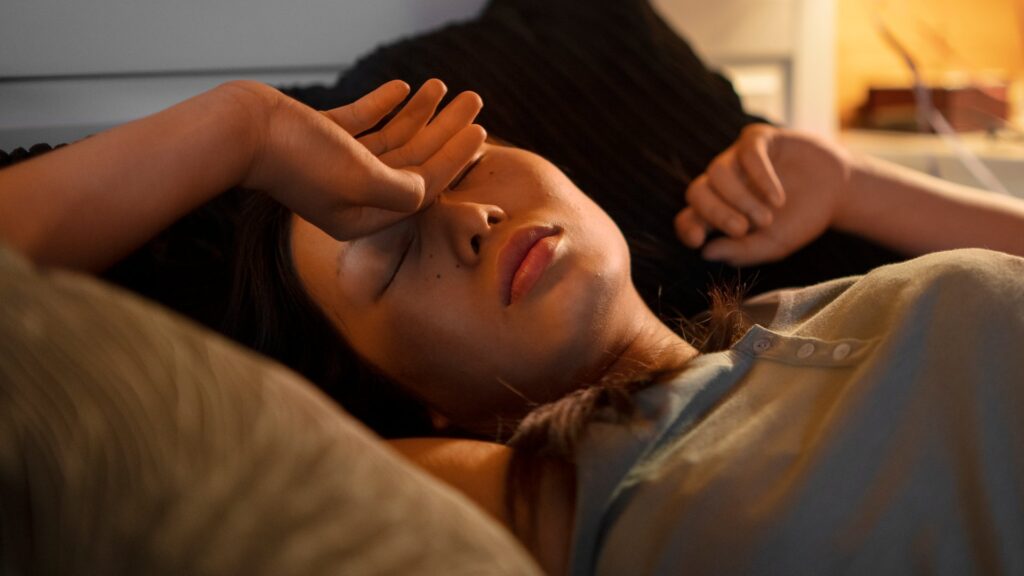
Throughout childhood, many of us spent our nights bathed in the soft glow of a nightlight, and for some, this comforting ritual carries on into adulthood. That gentle flicker reassures us and helps us distinguish a pile of clothes on a chair from a lurking intruder. While some individuals require complete darkness to drift off, others find solace in being able to see their surroundings. However, sleeping with the lights on can have serious implications for heart health.
Sleeping With the Light On: Not Great for the Heart
As children, when we were still convinced that monsters lurked in closets, it was common to ask for a nightlight or for a parent to leave the hallway light on until we had succumbed to sleep. Even though our parents often reminded us, “this isn’t Versailles,” once nighttime arrived, they granted us that small privilege. In adulthood, some of us hold on to this habit—not just during celebrations when turning off a switch feels like a Herculean task. Our nightlights often shine through from dusk till dawn, becoming our own version of a comfort object, soothing our fears and providing a sense of control in our environment.
Unfortunately, bad news: our hearts don’t agree and quietly suffer due to this nighttime habit. While we may not perceive any harm or wonder why our hearts aren’t calling for help, this behavior can have dramatic long-term consequences. This alarming finding comes from a study conducted by researchers at Flinders University. Over nearly a decade, they tracked approximately 90,000 adults, predominantly in their sixties, with radically different sleep habits. Those who slept with the light on faced a 42% higher risk of experiencing a heart attack.
“This link remained consistent, regardless of physical activity levels, diet, smoking rates, or genetic predispositions to heart disease,” notes StudyFinds. Whether the light comes from a television screen, a dim lamp, or an LED display, intensity makes no difference. While soothing our psychological distress, this light simultaneously exacerbates cardiovascular issues.
Light Disturbs the Body’s Repair Mechanism
Experts recommend turning off screens an hour before bedtime for a reason. Artificial light—be it blue, white, yellow, or pink—confuses the body, keeping it in a state of alertness. Scientists unanimously agree: light, no matter how calming it may seem, is a disruptive influence. It interferes with melatonin production and disrupts the circadian rhythm, our internal clock that aligns the body with the day-night cycle. Just a single glitch in this system can trigger widespread discomfort within the body.
As a result, the nervous system remains overly active, heart rates escalate, and stress hormones surge. This could explain those uncomfortable palpitations upon waking, often dismissed as mere remnants of a bad dream. “Over time, thriving in an artificially illuminated environment tricks the body and thrusts it into a state of chronic alertness, hinder the ability to rest and heal properly,” explains Business Standard. Another significant finding from the study is that women are disproportionately affected, bearing the brunt of the nighttime illumination. The term “light pollution” has never felt more accurate.
Best Practices for Protecting Your Heart During Sleep
Given that the heart, our vital engine, endures enough stress throughout the day, we certainly shouldn’t exacerbate its plight during sleep, the one time we have the chance to recuperate. It’s essential to turn off all lights and, if necessary, cover any glowing devices such as the TV or routers. Even repositioning your phone screen-down counts. Consider investing in blackout curtains if external light seeps through your windows. Here are additional recommendations to safeguard your hardworking heart:
- Maintain a comfortable room temperature. A range between 65°F and 68°F is ideal for promoting restorative sleep and minimizing cardiac stress.
- Adopt a suitable sleep position. Resting on your back or left side can facilitate better blood circulation and reduce pressure on the heart.
- Limit stimulants before bedtime. Coffee, tea, alcohol, and heavy meals can elevate heart rate and blood pressure.
- Manage stress and anxiety. Engaging in breathing exercises, meditation, or calming reading before bed can alleviate nighttime palpitations.
- Establish a routine. Going to bed and waking up at consistent times helps stabilize the circadian rhythm and supports heart health.
- Be vigilant about warning signs. Palpitations, shortness of breath, or chest pains during the night should prompt a consultation with a healthcare professional.
Sleeping with the lights on may seem trivial, yet this seemingly innocuous habit can have deeper implications than one might think. However, if light is your comfort, opt for red-hued nightlights instead.
