
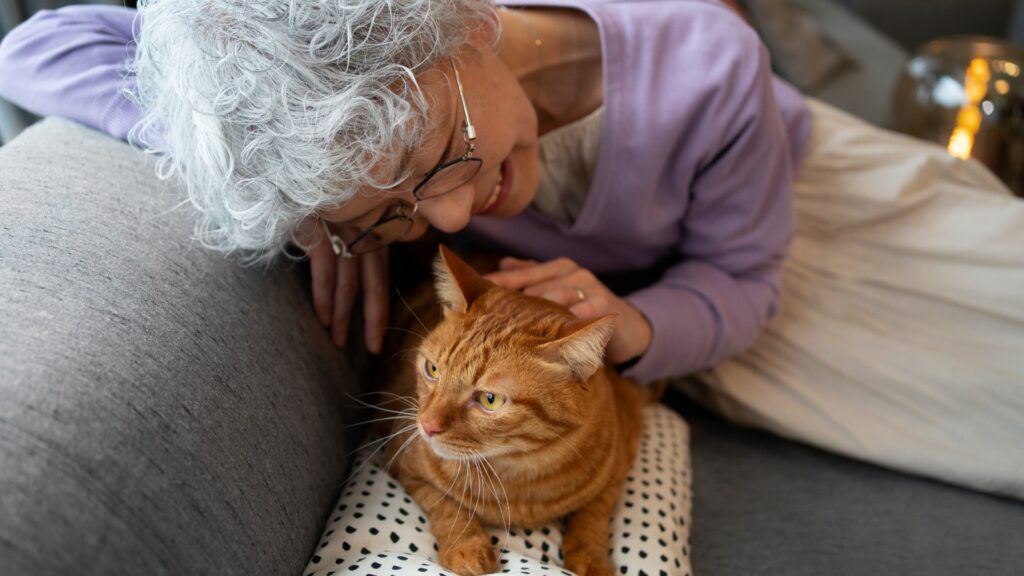
Despite significant scientific advances, breast cancer remains one of the deadliest cancers among women. While artificial intelligence is paving the way for progress in research and detection of this insidious disease, robots aren’t the only source of hope. Cats, too, have a role to play—not just by providing their soothing purrs but through their unique contributions.
Cats: Unexpected Allies in the Fight Against Breast Cancer
Over the past three decades, the number of new breast cancer cases among women has nearly doubled. Today, medicine is better equipped than ever, largely due to the remarkable emergence of artificial intelligence (AI). Often met with skepticism and rarely celebrated, AI holds the potential to transform the care for the 2 million women diagnosed worldwide each year. From bras capable of detecting cancer cells through simple sensors to enhanced imaging analysis and powerful algorithms predicting relapse risks, the future looks promising with these medical innovations at our disposal.
If AI signifies a monumental shift in breast cancer treatment, cats also play a vital role in this struggle symbolized by the pink ribbon. More than just emotional support animals, summoned for hugs and “purr therapy,” these calming felines serve as inspiring figures in oncology. They are not merely “natural stress relievers”; they are valuable partners in analysis.
A study published in the journal Science by experts in both veterinary and human medicine draws parallels between cats and humans. The findings suggest that, much like us, cats encounter “pollution and secondhand smoke” and endure “the same diseases.” While it is often said that cats have nine lives, they too experience the debilitating fatigue of cancer, the effects of diabetes, and the excruciating pain of arthritis.
Cats as Exceptional Subjects for Analysis
It’s essential to clarify that we do not seek to treat cats like mere test subjects or laboratory rats. The approach taken by the research team led by Louise van der Weyden is considerably more compassionate and humane. They meticulously examined cancerous tumor samples from nearly 500 domestic cats.
These four-legged companions hailed from five different countries and suffered from 13 distinct types of cancer. The conclusion? While humans may descend from primates, we undeniably share significant commonalities with cats, as this study unveils.
Cancer occurs when cells’ DNA undergoes mutations. Consequently, scientists analyzed the DNA of cancerous cells in cats to assess whether these mutations mirrored those observed in humans. Remarkably, they found that certain mutations were identical in both species, particularly concerning breast cancer. For instance, in over half of the studied feline mammary tumors, a gene known as FBXW7 was altered—an alteration already recognized in human medicine.
A Treatment Already Under Trial in Cats
While the mutation of the BRCA1 gene garnered attention through Angelina Jolie’s advocacy, the FBXW7 genetic mutation remains relatively rare in women. However, this enlightening scientific discovery is a major advancement, potentially leading to more targeted and refined treatments. In fact, cats are already reaping the benefits; veterinarians currently use specific medications to combat the disease.
For too long, science has relied on healthy mice to simulate diseases and test remedies. Now, researchers are conducting trials in real-world conditions with cats suffering from the health crisis known as cancer. Animal welfare is no longer an afterthought; it’s a priority. Thus, this study benefits not only our feline friends but also women battling breast cancer.
Cats are not employed for their luxurious fur or endearing faces; they contribute, often unwittingly, to a deeper understanding of breast cancer. The heroes of tomorrow don’t solely possess articulated arms and mechanical hearts; some have whiskers and a penchant for cardboard boxes.
