
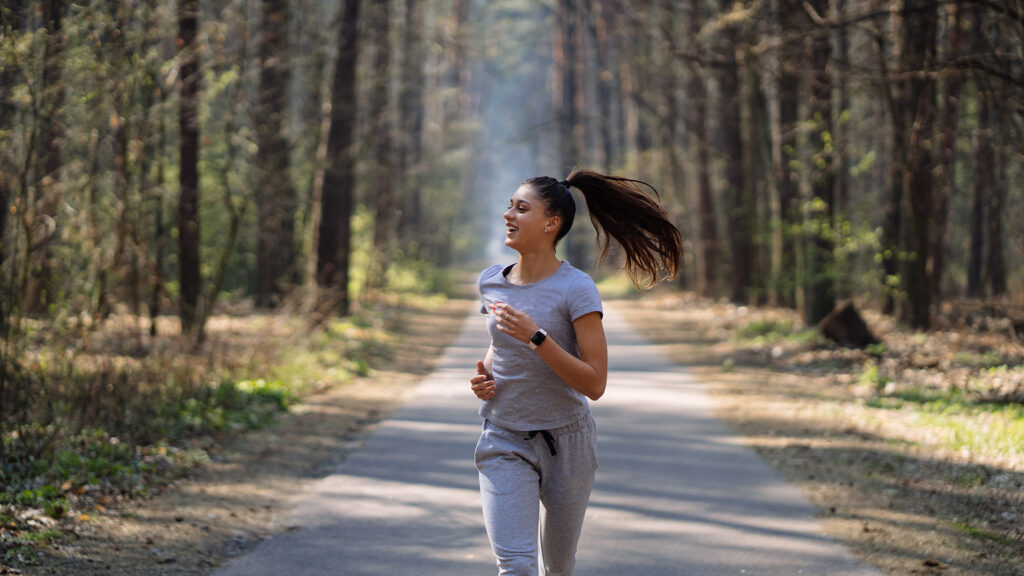
What if this time, we stopped setting ourselves impossible goals? Returning to exercise doesn’t have to equate with an intensive program, a physical transformation, or a gym membership. Sometimes, the desire to move comes from simply wanting to enjoy some fresh air, regain energy, or carve out a moment just for ourselves. However, with the pressure of social media fitness challenges and the constant push to “get back on track,” it’s easy to feel overwhelmed. The good news is that there are countless ways to reconnect with physical activity without striving to break records—and most importantly, without having to change our bodies to earn the joy of movement.
Forget Performance and Rediscover the Joy of Moving
When contemplating a return to exercise after a long break, the temptation to dive in headfirst is strong. Three sessions a week, ten thousand steps a day, a new morning routine… on paper, it all seems plausible. In reality, these lofty ambitions can quickly lead to discouragement.
So why not start by asking ourselves what would genuinely bring us joy? Some love to dance in their living rooms, while others prefer walking while listening to a podcast or diving back into swimming’s soothing strokes. There’s no single right way to engage in physical activity.
At The Body Optimist, we’ve previously discussed how to enjoy exercise without fixating on the scale. It’s worth reiterating: movement doesn’t need to be tied to aesthetic goals to be meaningful.
Exercise can simply become a delightful escape during a busy day—a moment to breathe, focus on our sensations, and relish the joy of being in motion.
Start Slowly, and That Counts as Starting
There’s no need to run five kilometers on your first outing. After a period of inactivity, it’s wise to give your body time to reacquaint itself with movement.
The national program Manger Bouger suggests adults engage in at least 30 minutes of dynamic physical activity each day, while also emphasizing the importance of starting gradually. Every little bit counts, even if we haven’t yet met that recommendation.
A ten-minute stroll after lunch, some mobility exercises upon waking, or a casual bike ride on the weekend can all serve as a solid starting point. The key is to tailor the duration and intensity to our capabilities.
We can then gradually increase our activity level when we feel ready and comfortable. And if a day comes when there’s no time for exercise, it doesn’t mean that all previous efforts have been in vain.
Comfortable Attire Can Transform the Experience
While motivation is often discussed, comfort tends to be overlooked. It’s hard to enjoy a session when leggings keep slipping, a sports bra is too tight, or shoes cause chafing.
When returning to physical activity, it’s best to choose clothing that accommodates our movements, the weather, and our body type. There’s no obligation to wear tight-fitting garments or stick to neutral colors; what truly matters is feeling free to move.
Footwear is also crucial, particularly for walking and running. The right choice depends on factors like terrain, frequency of exercise, and personal comfort. A well-fitted pair should provide ample space for the toes and secure the foot without constriction.
If you’d like to explore various running shoe models, you can check out a selection here. This is an opportunity to compare features before choosing based on your needs, rather than solely on appearance.
A useful tip: try your shoes on with the socks you usually wear for exercise, and take a few minutes to walk around in them before making a decision.
Choose Activities That Truly Suit Your Desires
The surest way to get discouraged? Forcing yourself into a discipline you dislike simply because it’s trendy.
Running boasts a certain freedom: you can run close to home, choose your route, and adjust your pace. But it’s not for everyone—and that’s perfectly fine. Walking, cycling, aquagym, yoga, or dance offer equally rewarding experiences depending on personal preferences.
Those who enjoy gentler activities might explore mobility exercises or soft strengthening routines. We have previously shared suggestions on gentle gym options, allowing you to explore movement without always seeking intensity.
Why not try out a few different disciplines before settling on one? A trial class, a session with a friend, or an online video tailored to your skill level can help you discover what genuinely inspires you to renew your commitment.
Stop Comparing Bodies and Abilities
On social media, fitness sessions sometimes appear to be showcases of performance. We are often presented with individuals running at impressive paces, lifting substantial weights, or seamlessly executing exercises.
Yet these images tell only part of the story. They don’t reveal the years of practice, the breaks taken, or those days when motivation is lacking.
Returning to exercise also means embracing that our starting point may differ from others. Someone who walks for twenty minutes after months of inactivity is no less deserving than someone training for a marathon.
There’s no need to wait to lose weight before joining a group class, heading to the pool, or donning colorful workout gear. Every body belongs in spaces dedicated to movement.
Make Consistency a Flexible Habit
An enjoyable activity is far more likely to fit into our routine than one perceived as a chore. However, motivation can fluctuate, and that’s entirely normal.
Instead of crafting a rigid schedule, consider multiple options based on your energy levels. A walk outdoors when the weather is nice, a few movements at home when time is tight, or a longer session over the weekend can all be integrated into your life.
Scheduling time with a friend can also enhance the experience. Exercise transforms into an opportunity to catch up, explore a new area, or share a moment, rather than merely an additional task to check off.
Lastly, it’s vital to heed your body’s signals. Unusual fatigue, persistent pain, or disproportionate breathlessness warrant slowing down and, if necessary, seeking medical advice. Progress should never come at the expense of comfort or safety.
What If the True Goal Is Simply to Feel Good?
Returning to exercise doesn’t need to signify the start of a dramatic transformation. It can be a way to reclaim some personal time, discover a new activity, or reconnect with forgotten sensations.
Some days, we might feel like running; on others, just a leisurely walk or a cozy day at home. None of this defines our worth, determination, or relationship with our bodies.
Ultimately, the most beautiful change may not be the one visible in the mirror. It’s that moment when we realize that moving has once again become a joy—without timers, comparisons, or, most crucially, pressure.
Partner Article
