
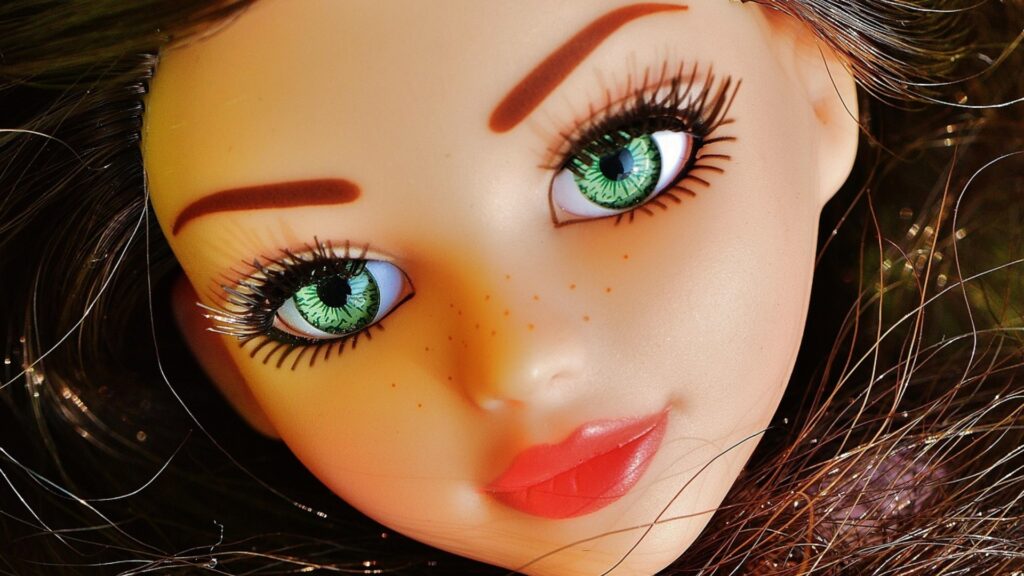
In recent years, Barbie has embraced a diverse range of silhouettes, skin tones, body shapes, and abilities, promoting an inclusive message. This time, the iconic brand takes a significant step forward by introducing a doll specifically designed to represent autism. This ambitious initiative aims to normalize neurodivergence in play, yet it also raises a host of questions.
A doll inspired by autistic experiences
This new Barbie incorporates elements that reflect real-life experiences of individuals on the autism spectrum. She wears loose-fitting clothing, designed to provide comfort and softness while minimizing uncomfortable textile sensations. Her slightly averted gaze nods to the often complex relationship many autistic individuals have with direct eye contact, and her more flexible joints allow for the expression of repetitive self-soothing gestures, often referred to as “stimming.”
On the accessory front, Mattel has chosen recognizable items: noise-canceling headphones to illustrate sensory overload management, a fidget spinner to facilitate calming and focus, and a tablet equipped with pictograms that mirror alternative communication tools used by some non-verbal individuals. The overall presentation is intended to be reassuring and practical, promoting a positive view of autism rather than a deficit-focused perspective.
Mattel has released their first autistic Barbie doll. pic.twitter.com/p3hgKgQUGH
— Pop Base (@PopBase) January 12, 2026
A symbol of recognition for many
For a segment of the community, this Barbie represents a breath of fresh air. Mattel has collaborated with the Autistic Self Advocacy Network to incorporate feedback from individuals directly affected by autism. The organization describes this initiative as “a significant step towards a more accurate and joyful representation of autism, free from a medicalized or dramatic lens.”
Autistic voices, particularly among creators and writers, commend a doll that sends a message to young girls (and beyond): your way of being is valid, beautiful, and deserving of existence. In a context where autistic women and girls are often overlooked, misdiagnosed, or misunderstood, seeing themselves reflected in an iconic toy can bolster self-esteem and foster a sense of belonging.
Where the debate ignites
However, enthusiasm is not universal. Some autistic individuals and parents express discomfort over what they perceive as an overly rigid representation. The combination of noise-canceling headphones, fidget toys, and aversion to eye contact risks crystallizing autism into a singular, recognizable image, despite the vast diversity within the spectrum.
Critics warn of the potential to create a “visual checklist” of autism, which could reinforce stereotypes rather than dismantle them. Others argue that it might have been more effective to include these accessories with all Barbies, rather than labeling one doll as “autistic,” thereby normalizing sensory and communication needs without relegating them to a specific category.
An imperfect advancement, but full of hope
Advocates remind us that no doll, however well-intentioned, can fully encapsulate the richness of autistic profiles. Autism embodies a limitless array of bodies, personalities, talents, challenges, and strengths. Nevertheless, increasing positive representations in toys, media, and popular culture is crucial for reshaping perceptions.
For many, this Barbie represents a promising first step. A foundation that can be improved as brands continue to engage with affected individuals. Inclusion is not a finished product; it is a living movement celebrating the diversity of bodies, minds, and ways of being in the world.
