
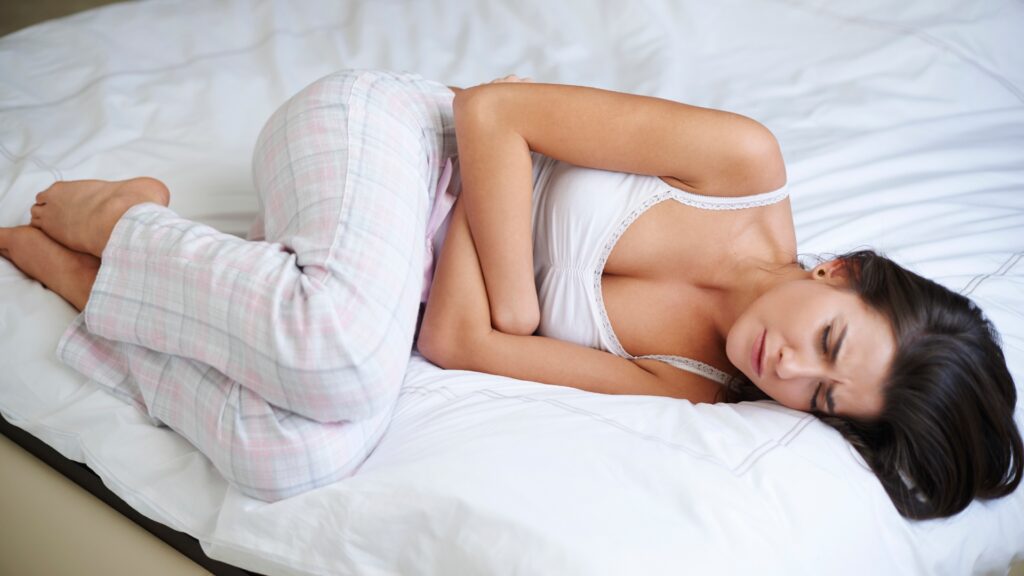
Menstruation can sometimes bring about a feeling of heaviness or varying degrees of cramping. As the rhythm of daily life resumes, a few simple adjustments can help ease these challenging days. However, if pain becomes intense or disrupts your normal activities, it should never be seen as a given.
Heat: Your Best Ally Against Cramps
One of the most well-known remedies for menstrual cramps is heat, and for good reason. A heating pad, warm compress, or hot water bottle placed on the lower abdomen can genuinely help relax muscles and relieve discomfort.
It’s essential to avoid excessive temperatures; opt for a gentle warmth that you find comforting, ideally for about twenty minutes, and avoid placing hot objects directly on the skin. This small self-care ritual can significantly benefit your body, especially when it craves a little extra gentleness.
Move, Even When the Couch Calls
When cramps set in, the urge to stay curled up under a blanket can be strong. However, gentle movement can help alleviate discomfort. There’s no need to embark on an intense workout; a light walk, some stretching, or a soothing yoga session can do the trick.
Physical activity promotes the release of endorphins, often referred to as the body’s “natural painkillers.” Listen to your energy levels—your body doesn’t need to perform at its best; simple, gentle movements can already make a significant difference.
Positions that Help Release Tension
Certain postures can also help relax the abdominal area and lower back:
- The child’s pose, a favorite among yoga enthusiasts, involves kneeling and gently folding forward. This position stretches the back and relieves some tension.
- Another comfortable option is lying on your side while gently drawing your knees toward your chest.
- If you prefer lying on your back, placing a cushion under your knees can relieve the lower back region.
Again, there’s no one-size-fits-all position. The key is to listen to your body and choose what feels most comfortable, steering clear of positions that require intense contorting.
A Gentle Self-Massage
Taking a few minutes to softly massage your lower abdomen can also bring a sense of ease. Using your fingertips, make small circular motions in a clockwise direction. You might use a neutral vegetable oil to enhance the experience.
Be sure not to apply too much pressure; the goal is to relax the area, not aggravate it further. This moment can also serve as a true wellness break, allowing you to reconnect with your body gently instead of fighting against it.
Hydration and Rest: Small Yet Significant Gestures
We often underestimate the impact of our daily habits on our comfort. Staying well-hydrated can contribute to overall bodily function and mitigate issues related to muscle cramps.
Sleep plays a crucial role too. Accumulating fatigue can intensify pain. If your schedule allows, take extra time to rest during this period. Most importantly, there’s no need to feel guilty for wanting to slow down. Your energy levels may fluctuate throughout your cycle, and caring for yourself does not equate to “doing nothing.”
Moderate Cramps vs. Intense Pain: A Crucial Distinction
Not all menstrual discomforts should be treated the same. A feeling of heaviness or moderate cramps that improve with rest, warmth, or over-the-counter pain relief are common. These are generally referred to as primary dysmenorrhea, meaning menstrual pain without an identified underlying gynecological issue.
Conversely, severe menstrual pain is not “normal” and should not be overlooked. If your periods consistently prevent you from going to school or work, engaging in regular activities, or enjoying life, it’s essential to consult a healthcare professional. This is equally true if the pain doesn’t improve with usual remedies or seems to worsen gradually over time.
When Menstrual Pain May Signal an Underlying Condition
Severe menstrual pain can sometimes indicate a gynecological condition that warrants investigation:
- Among these is endometriosis, a disorder in which tissue similar to the uterus lining grows outside the uterus.
- Adenomyosis, which shares some mechanisms with endometriosis, involves the growth of this tissue within the uterine muscle.
- Fibroids or polyps, typically benign growths in the uterus, can also be associated with pain or heavy bleeding.
If your symptoms are particularly severe, worsen over time, or coincide with heavy bleeding, seeking a medical or gynecological consultation is advisable. You should never downplay your discomfort nor wait until it becomes unbearable to ask for help.
Listen to Your Body Above All
Using heat pads, gentle movements, stretches, rest, or self-massage can significantly aid in navigating menstrual cramps and bring comfort to your daily life. However, it’s crucial to distinguish between occasional discomfort and pain that takes over your life. If your periods repeatedly cause you to cancel plans, miss classes or work, or put your life on hold, it’s vital to voice your concerns.
Caring for your body also means learning to listen to it. When pain becomes overwhelming, seeking medical advice can be the first step toward understanding what’s going on and finding appropriate care.
