
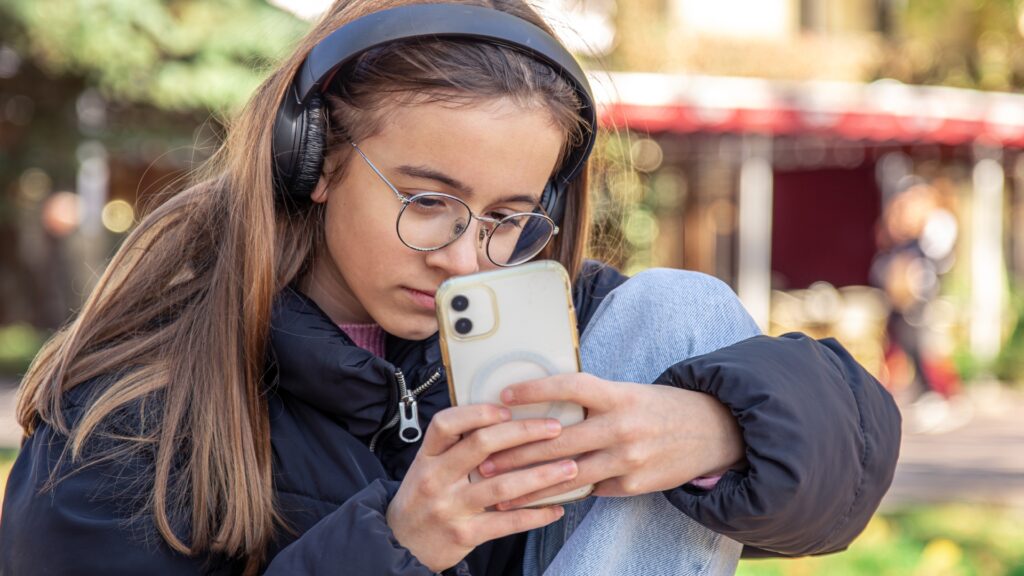
Are social media platforms becoming overwhelmingly intrusive for younger generations? This question is increasingly at the forefront of legislation in several countries, including France. Navigating the delicate balance between protecting adolescents, ensuring freedom of expression, and assessing the effectiveness of such measures, the debate remains unresolved.
A Growing Trend Worldwide
In just a few years, the notion of restricting social media access for minors has transitioned from political discourse to legislative action. Australia has led the charge by implementing a ban for individuals under 16 starting in late 2025. Following suit, Turkey and Malaysia have introduced their restrictions, while many European Union member states are working on similar proposals.
France has also taken this step. On July 21, 2026, both the National Assembly and the Senate passed a law prohibiting social media access for those under 15. This legislation, backed by the government and personally championed by President Emmanuel Macron, is set to take effect on September 1, 2026.
Common Goal, Diverse Approaches
While many nations aim to better safeguard their youth, their methods differ significantly. Some allow access with parental consent, others set varying age limits, or offer adapted versions of platforms specifically designed for adolescents.
At the European level, a resolution suggests a reference age of 16, with parental permission possible for children aged 13 to 16. In contrast, the United States has taken a different route: numerous local laws have been halted by courts, which argue they could infringe on freedom of speech. The debate there tends to focus more on the operations of the platforms rather than the age of their users.
Australia Offers Initial Insights
Australia currently stands as the only nation with concrete feedback from such legislation. A study released in June 2026 indicates a notable decline in social media usage among 12 to 15-year-olds since the law’s implementation. However, the data is nuanced: nearly 90% of adolescents still engage with at least one platform weekly. In other words, while the measure limits certain usages, it does not eradicate them altogether.
Protection Raises Important Questions
Proponents of these laws highlight the well-documented risks associated with excessive social media usage: anxiety, sleep disorders, cyberbullying, and exposure to inappropriate content. In France, almost 28% of middle school students report experiencing online violence, with hundreds of thousands of new depression cases each year attributed to excessive social media use.
Nonetheless, criticism abounds. Some internet users argue that such measures infringe upon freedom of expression, the right to information, and digital liberties. Others express concerns about age verification systems that may compel users to disclose personal data, potentially turning sensitive information into prime targets for cybercriminals.
Is It Effective… or Just Shifting the Problem?
Another critical question often arises: is an outright ban truly effective? In Australia, various studies reveal that 61% of youth aged 12 to 15 still access the prohibited platforms. Approximately 70% even believe it is easy to bypass such restrictions through VPNs that allow users to simulate access from another country.
There is also the risk that adolescents may simply turn to alternative tools. According to a study by Arcom, 44% of children might consider using chatbots powered by artificial intelligence more frequently, tools that also raise concerns regarding well-being, data protection, and information reliability.
Ultimately, the discourse no longer centers around the effects of social media on youth—an area with ample documentation—but rather the most effective ways to address these issues. Striking a balance between safeguarding young people and allowing them to engage with the digital world remains a delicate challenge.
