
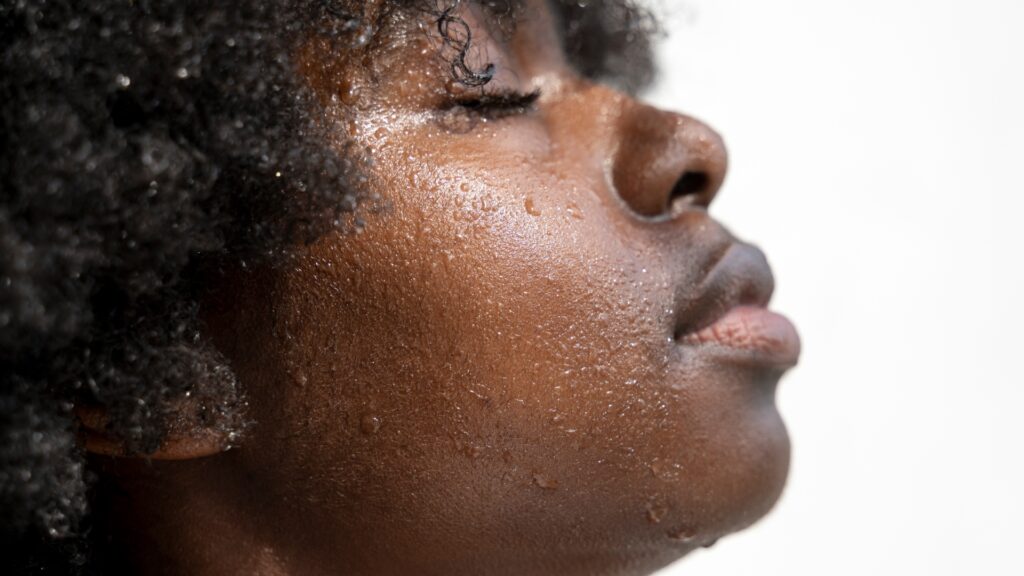
We’ve all experienced it: sweating is a universal part of life. However, while some individuals seem to produce little to no body odor, it’s not solely a matter of hygiene or diet. Genetics also plays a significant role, particularly due to a specific gene known as ABCC11.
A Gene That Influences Body Odor
Our DNA contains a wealth of information that shapes our bodies, including practical elements of our daily lives. One crucial player in this arena is the ABCC11 gene, which is involved in the transport of molecules produced in the armpits. In some individuals, a genetic variant renders this protein inactive, resulting in significantly lower production of the compounds that cause odor. Conversely, just a single copy of the “active” version of the gene typically promotes more odorous perspiration.
What Makes Sweat Smell?
Contrary to popular belief, sweat itself is nearly odorless upon secretion. It’s the bacteria naturally residing on the skin that convert certain molecules in sweat into odorous compounds. The ABCC11 gene plays a pivotal role in this transformation. When functioning optimally, it facilitates the delivery of substances to the skin’s surface that bacteria consume. If this “delivery” is significantly reduced, the bacteria have less raw material to work with, resulting in diminished odors.
A Genetic Trait That Varies Among Populations
This genetic variant isn’t evenly distributed across the globe. Research indicates that it is particularly prevalent among East Asian populations, affecting approximately 80 to 95% of individuals according to estimates. In contrast, it appears much rarer among those of European or African descent. Scientists continue to explore the reasons behind this disparity, which may be linked to human evolutionary history, though no consensus has yet been reached.
Your Ears Might Offer a Clue
Interestingly, this same gene also influences… earwax. Individuals with the inactive variant typically exhibit dry and light-colored earwax, while the active version is generally associated with wetter earwax. While this could provide an indication, it’s not a definitive test for one’s genetic variant—only a genetic test can confirm it.
Genetics Isn’t the Whole Story
While ABCC11 plays a significant role, it doesn’t solely determine our body odor. Other factors such as diet, stress, hormones, physical activity, daily products used, and skin microbiome also influence odor intensity. In other words, two individuals with identical genetic backgrounds may still emit different scents based on lifestyle and environmental factors.
Let’s Stop Feeling Guilty About Sweat
Feeling warm, sweating, or showing a few marks under the arms is completely normal. Sweating is an essential mechanism that helps regulate body temperature and maintain proper function. It’s neither a sign of poor hygiene nor something that needs correction. Body odors and sweat stains are part of our body’s diversity. Some people sweat less, others more, and some emit minimal odors thanks to their genetic makeup—and all of this is perfectly normal. The key is to feel comfortable in our own skin without comparing ourselves to others or feeling shame over such a natural phenomenon.
The ABCC11 gene highlights how a slight change in our DNA can have tangible effects on our everyday lives. For some individuals, this genetic trait makes using deodorant nearly optional. This serves as a reminder that our bodies each operate in their own unique ways and that there truly isn’t just one “normal” way to sweat.
