
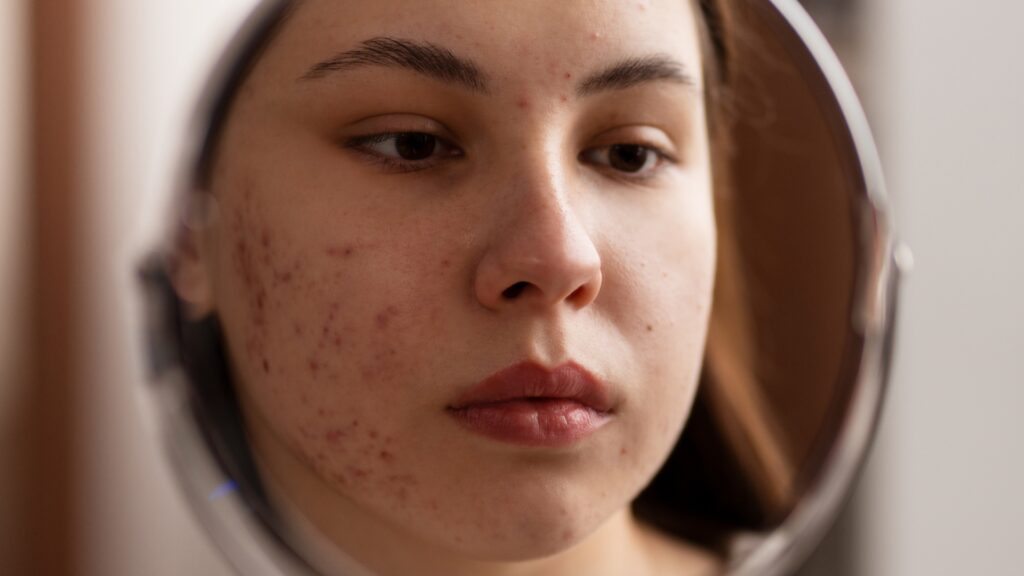
As you bask in the early rays of summer, you may find that a few hours or days later, your skin has responded with tiny bumps or red patches. Rest assured, this phenomenon is common, usually benign, and is known as sun-induced lucite. Understanding what is happening can help you better care for your skin and enjoy the summer with peace of mind.
Understanding lucite: A common sun reaction
When bumps appear after sun exposure, the most frequent cause is lucite, also referred to as polymorphic light eruption. This condition manifests as small red lesions, sometimes raised, frequently accompanied by itching. The décolletage, neck, arms, and legs are the most affected areas, as they absorb sunlight first.
Typically, this reaction occurs a few hours to a couple of days post-exposure, especially in spring or early summer when the skin is not yet accustomed to ultraviolet (UV) rays. It affects a significant portion of the population, particularly those with fair skin, women, and individuals under 30.
A skin reaction to sunlight
Lucite is linked to an unusual immune response to ultraviolet rays, particularly UVA. In essence, your skin interprets sunlight as an aggressive signal, triggering an inflammatory response.
This mechanism corresponds to a form of delayed hypersensitivity. While science hasn’t unraveled every aspect, it is believed that hormonal factors may explain why women are more affected. The good news is that the skin often adapts gradually: with continued exposure, it becomes less reactive, and flare-ups tend to become less frequent.
Not just lucite: Other possible causes
It’s important to note that not all bumps following sun exposure signify lucite. In some instances, the issue may correlate with what was once known as “Mallorca acne,” associated with interactions between UV rays and ingredients in older sunscreen formulations. Though modern products have evolved, other factors—such as heat, perspiration, or overly rich creams—can still clog pores and encourage blemishes.
Additionally, sun exposure can temporarily dry out blemishes, creating a misleading impression of clearer skin. After the skin recovers, a rebound effect can lead to an increase in acne, producing a sense that the bumps return more aggressively.
Caring for your skin without avoiding the sun
Implementing a few simple practices can make a significant difference.
- Gradual exposure allows the skin to adapt gently. It’s best to avoid long, intense sessions from the very first sunny days.
- A broad-spectrum sunscreen, ideally SPF 50+, helps mitigate reactions.
- Non-comedogenic textures are also beneficial for maintaining comfortable and balanced skin.
- Lightweight, covering clothing can offer substantial protection during prolonged sun exposure.
While lucite is typically transient and harmless, if reactions are intense, recurring, or uncomfortable, consulting a dermatologist can provide tailored solutions and guidance.
In conclusion, developing bumps after sun exposure is neither abnormal nor shameful. It merely serves as your skin’s way of communicating and defending itself. Your skin is alive, reactive, and occasionally sensitive; this is simply part of its nature. The key is to care for it gently and mindfully while learning to recognize its needs.
