
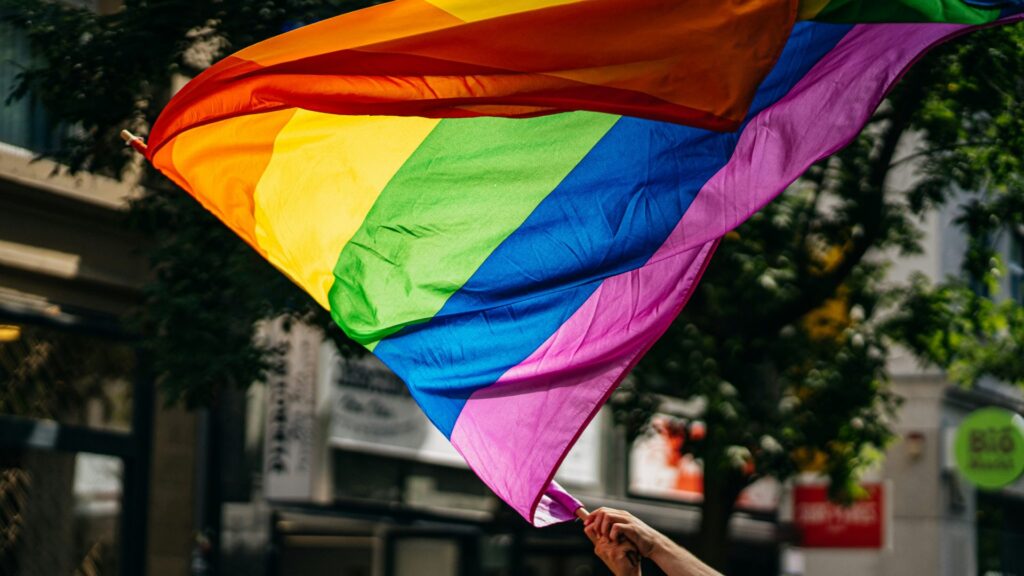
On the occasion of the International Day Against LGBTphobias this May 17th, it is essential to focus on social media, an increasingly vital space for socialization and expression. While these platforms enhance visibility and facilitate communication, they can also exacerbate discrimination.
A Space of Freedom with Ambiguities
Social media plays a crucial role in our daily lives, offering avenues for information sharing, personal storytelling, and community-building. For many individuals within the LGBTQIA+ community, these platforms provide essential visibility, support, and opportunities for self-affirmation. This digital realm can serve as a constructive extension of social life, helping people forge connections and find encouragement.
However, this freedom of expression can also lead to increased exposure to anti-LGBT speeches. Due to their widespread accessibility, digital platforms sometimes become battlegrounds for discriminatory remarks and hostile behavior. In 2025, reports indicated nearly 4,900 incidents of homophobic or transphobic offenses recorded in France alone.
Anonymity and the Speed of Exchange as Contributing Factors
One significant factor that fosters the spread of LGBTphobia online is anonymity. Behind a screen, some users feel less accountable for their statements, leading them to exhibit behaviors they would not consider in face-to-face interactions. This can result in insults, harassment, and targeted mockery based on sexual orientation or gender identity.
Additionally, the rapid dissemination of content exacerbates the issue. A single post can go viral within a short time, dramatically increasing its reach and impact. Even when deleted, certain messages can leave a lasting psychological mark. This dynamic complicates the fight against hate-filled content and demands ongoing vigilance.
#17Mai #LGBTphobies 🏳️🌈| Homophobic and transphobic violence is punishable by law: up to €45,000 in fines and 3 years in prison.
💻 Reporting: https://t.co/9WWYqthUEF
📞 Victims/witnesses: 17, 112, or 114
🌈 Let us unite against hate and discrimination. pic.twitter.com/7pUz2M8ewG— Préfet des Ardennes 🇫🇷🇪🇺 (@Prefet08) May 17, 2026
The Role of Algorithms in Content Visibility
Social media algorithms also play a significant role. Designed to maximize user engagement, they can inadvertently promote polarizing content. While they may not be directly responsible for hate speech, they can enhance its visibility by favoring posts that elicit strong reactions. This mechanism can create digital environments where extreme viewpoints circulate more freely than nuanced or inclusive messages, thus deepening societal tensions.
Spaces for Support and Visibility
Despite these challenges, social media remains a crucial space for solidarity and awareness. Numerous initiatives emerge to combat LGBTphobia, share resources, and celebrate positive narratives. These platforms enable many LGBTQIA+ individuals to find support and foster a healthier self-image. Uplifting content, personal stories, and prevention campaigns contribute to evolving mindsets and fostering a more inclusive culture.
This May 17th serves as a reminder that the fight against LGBTphobias extends into the digital world. Creating more respectful online spaces is crucial to fostering a society where every individual can exist fully, without fear of exclusion or discrimination.
