
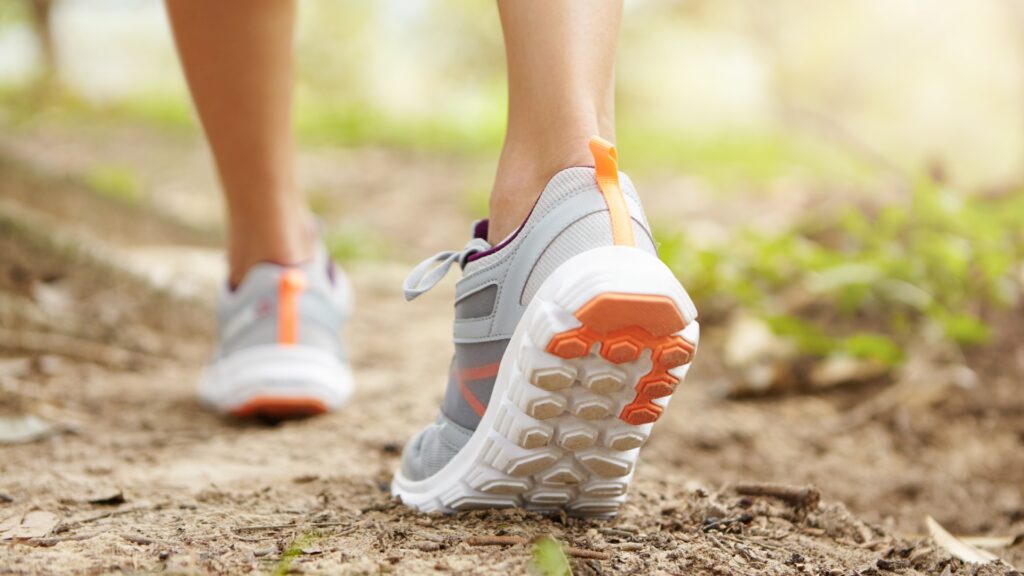
What if one of the simplest daily habits could help your body manage energy better after meals? Several scientific studies suggest that taking a short walk right after eating may have positive effects on blood sugar levels, digestion, and metabolic balance. This practice is not only accessible but also gentle on the body and easy to incorporate into your routine.
Why the Post-Meal Moment Is So Significant
After a meal, blood sugar levels naturally rise; this is a normal response as your body converts carbohydrates into glucose for energy. It’s during this time that light activity can make a notable difference. A 10 to 20-minute walk can help muscles utilize some of that glucose as immediate fuel, resulting in better absorption of sugar by the body and limiting spikes in blood sugar levels.
The timing of this activity is crucial. Researchers have found that walking immediately after eating is more beneficial than delaying physical activity or engaging in it before meals. This practice can enhance insulin sensitivity, the hormone responsible for regulating blood sugar. The best part? You don’t need to be a fitness enthusiast; even a leisurely or moderate-paced walk can yield significant benefits, particularly for those who are less active or sedentary.
What Scientific Studies Reveal
A meta-analysis published in 2023 compiled the results of eight clinical trials involving 116 participants, including several individuals with type 2 diabetes. The researchers found that walking after meals significantly reduced blood sugar spikes compared to no physical activity. The benefits were even more pronounced when participants began walking within 30 minutes following their meal.
For individuals managing type 2 diabetes, this habit also demonstrated short-term improvements in blood sugar control. Of course, it should not replace medical treatment or tailored care. These results highlight that a simple and accessible activity can complement existing health strategies.
Benefits Beyond Blood Sugar
The potential effects of this brief walk extend beyond just blood sugar levels. Various studies suggest additional benefits for the body:
- Enhanced carbohydrate utilization by muscles;
- Reduced triglyceride levels after meals;
- More stable energy throughout the day;
- Facilitated digestion;
- Decreased sensation of heaviness or bloating.
In the long run, this habit could also help improve certain markers of metabolic health, especially among individuals with diabetes.
How to Easily Incorporate This Habit
There’s no need to overhaul your daily routine or aim for athletic performance. The key is to gently move after meals. Here are some simple guidelines:
- Walk for 10 to 20 minutes after main meals;
- Maintain a comfortable pace;
- Choose flat terrain when possible;
- Start with 5 minutes if you are new to walking;
- Pay special attention to walking after dinner, when blood sugar may remain elevated longer.
While walking is the simplest option, some light cycling or gentle movements can also be beneficial.
If you experience severe reflux, hernias, or significant digestive issues, consulting a healthcare professional before changing your habits is advisable.
A Simple Habit, No Pressure
It’s essential to remember that this isn’t another health obligation weighing on your mind. If you can’t walk after every meal, that’s perfectly fine. The goal isn’t perfection but rather finding habits that align with your pace, energy, and lifestyle.
Ultimately, this scientific trend serves as a reassuring reminder: taking care of your health doesn’t always require extreme efforts. Sometimes, a simple post-meal stroll can be just what your body needs.
