
Enhancing one’s appearance, caring for one’s body, and feeling comfortable in one’s skin are concepts as old as time. However, a trend emerging from social media has taken this ideology to new heights. “Looksmaxxing” captivates as much as it alarms, particularly among young men.
When The Body Becomes A Project To Perfect
Looksmaxxing is built upon a straightforward yet formidable premise: your appearance is the key to your success. Attraction, social status, confidence—everything hinges on your physical appearance. On platforms like TikTok, Reddit, and YouTube, there’s an abundance of content urging individuals to analyze every aspect of their face and body: symmetry, jawline, gaze, proportions. Some even propose “rankings” or “beauty scores,” suggesting that a universal formula for “perfect masculinity” exists.
The result? The body is often viewed not as a space to inhabit but as an ongoing project to enhance, correct, and optimize. This perspective can quickly become exhausting and detached from reality.
Practices That May Go Too Far
While self-care can be beneficial, some practices associated with looksmaxxing extend far beyond this healthy premise. Techniques such as “mewing” (placing the tongue against the palate to alter jaw shape), intense chewing exercises, rigid diets, and extreme physical training often emerge.
Even more concerning are the dangerous methods that circulate, such as “bone-smashing,” where individuals strike their facial bones in an attempt to reshape them. Health professionals warn of very real risks: injuries, joint issues, nerve damage, and the psychological toll. When the desired results fail to materialize—often the case—the frustration can be overwhelming.
The Mental Health Pressure Mounts
Underlying this quest for “maximization” is a significant impact on mental health. Some experts note an uptick in body image disorders among men, particularly body dysmorphia. Individuals may feel their bodies are never muscular enough, never defined enough, never “perfect,” regardless of reality.
This fixation on perceived “flaws” can trigger anxiety, weaken self-confidence, lead to social isolation, and promote unhealthy eating behaviors. The trap? Believing the issue lies solely in your appearance when it often stems from how you perceive yourself.
A Rigid View of Masculinity
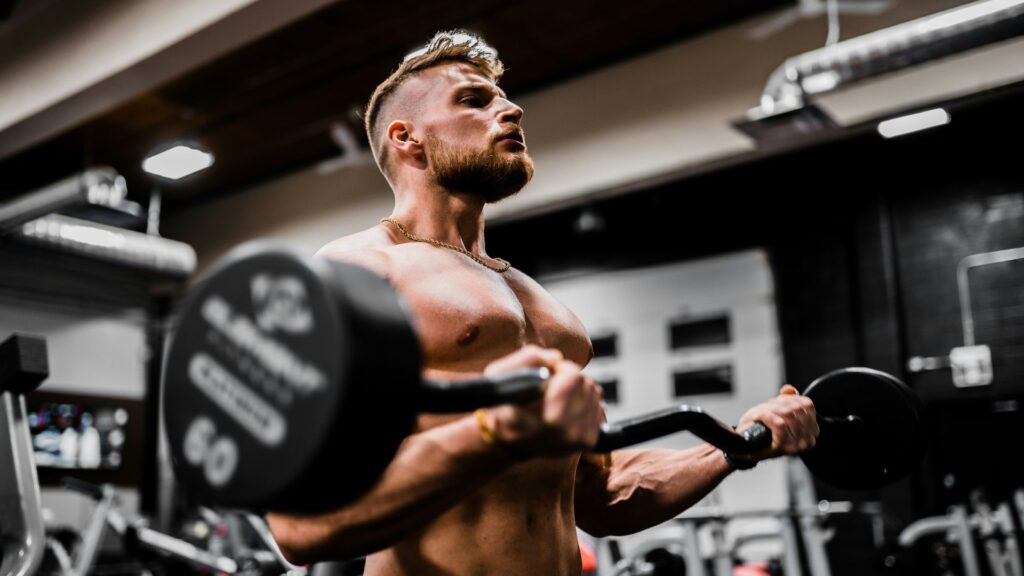
Looksmaxxing doesn’t merely discuss aesthetics; it also promotes a very narrow image of masculinity: square jaw, lean and muscular physique, dominant posture, and a cold stare. This model offers little room for diversity in bodies, styles, or personalities. It can also reinforce hypermasculine norms, suggesting that a man’s worth is tied to his appearance and sexual attractiveness.
For some young individuals, this pursuit becomes a way to regain control in a world perceived as unstable. However, this control comes at a cost: constant pressure, relentless comparisons, and a persistent feeling of inadequacy.
A Warning From Professionals
In light of the trend’s prevalence, psychologists and sociologists are sounding the alarm. Young men are increasingly sharing stories of distress: mirror obsessions, selfie addiction, and feelings of failure in the face of unattainable standards. Social media plays a amplifying role; seeing the same faces, bodies, and ideals repeatedly can lead these images to feel normal, even when they’re often unrealistic or heavily filtered.
Toward A More Balanced Approach To Body Image
Fortunately, alternatives are emerging. An increasing number of professionals advocate for a more nuanced understanding of self-image: fostering critical thinking about online content, celebrating body diversity, and promoting more inclusive models of masculinity.
Your body is neither a problem to be solved nor a project to be monetized. It evolves, expresses itself, and accompanies you in daily life. Caring for yourself can remain a positive endeavor, as long as it doesn’t morph into relentless pressure. You have the right to feel good in your body without striving to meet a singular ideal.
Ultimately, the discourse surrounding looksmaxxing raises an essential question: What if feeling good was not solely about what we see in the mirror, but rather how we choose to perceive ourselves?
