
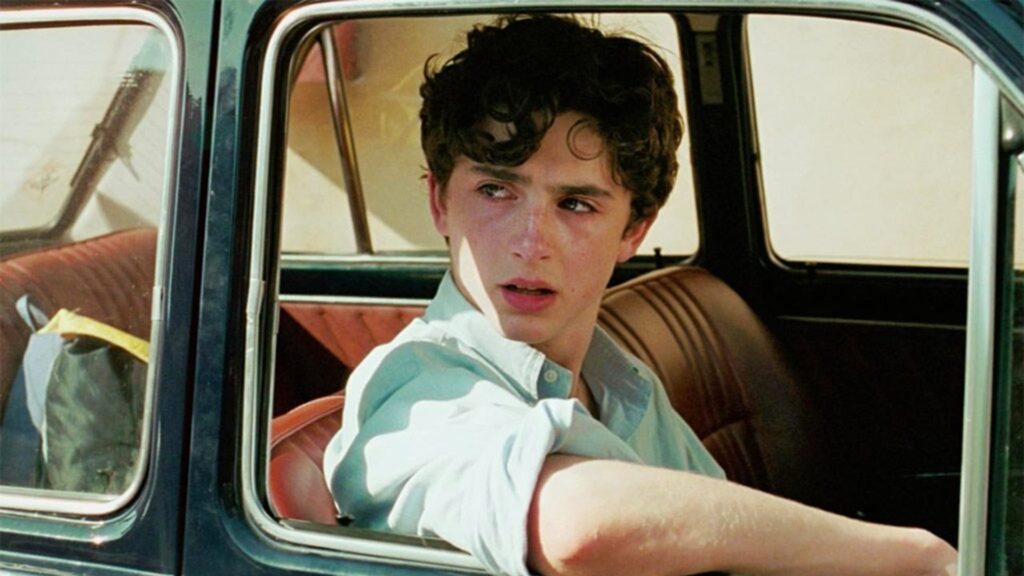
With their slender frames, angular jaws, and androgynous features, the so-called “noodle boys” are challenging the traditional archetypes of masculinity in Hollywood. Unlike the classic muscular icons who once dominated the silver screen, these emerging actors bring a more nuanced and sensitive portrayal of manhood. Gone are the days when brawn triumphed; instead, we find a new breed of performers whose strength lies not in their physicality, but in their emotional depth.
Who Are the Noodle Boys Taking Hollywood By Storm?
Just a few years ago, cinematic representations of masculinity were largely characterized by exaggerated brute force. Audiences cheered for the likes of The Rock, Vin Diesel, and Schwarzenegger—human bulldozers with fiery temperaments and impenetrable silhouettes. These alpha male caricatures have since receded into the background, now seen as outdated representations of what it means to be a man.
The successors who stepped into the limelight have shed a layer of muscle in favor of emotional resonance and humanity. Known as “noodle boys,” they embody a softer, more relatable alternative to the intimidating “bad boys” of the film industry. In the past, they may have found themselves relegated to roles as the vulnerable underdog or the perpetual loser, often due to their lack of muscle and overt emotional expression. Today, they are reclaiming their place in the casting arena, promoting a vision of masculinity that is tender and authentic.
Beneath this seemingly unflattering label, which likens men to spaghetti, lies a cadre of actors with delicate physiques, cherubic faces, and profound gazes. The roster of noodle boys includes Timothée Chalamet, Jacob Elordi, and Harry Styles—performers who stand in stark contrast to the stoic, testosterone-driven tough guys of yesteryear. They herald a time when a man’s worth is defined not by the circumference of his biceps, but by the richness of his character.
Less Muscle, More Sensitivity
While noodle boys have always existed within cinema, they have often been stigmatized and pushed to the margins. Historically, these actors were assigned minor roles as awkward nerds or bumbling sidekicks, primarily serving to bolster the masculine heroes clad in muscle. For far too long, they were viewed as antithetical to traditional virility, but the tide has turned, and they now reflect a growing dissatisfaction with aggressive masculine models.
Represented by talents like Finn Wolfhard, Pierre Niney, and Vassili Schneider, noodle boys are redefining what was once seen as negative traits—empathy, sensitivity, and vulnerability—transforming them into charming attributes. They symbolize a less boisterous yet more relatable aesthetic. Unlike the hyper-masculine stars of earlier action films, noodle boys offer a version of masculinity that is more refined, more al dente, if you will. Originally a derogatory term in the fitness world used to describe those with slender builds, “noodle boys” has evolved into a noble compliment, signaling a quiet revolution.
These actors have become “fantasy magnets,” radiating a comfort that even the most muscular men often fail to deliver. In many ways, they signal the demise of the myth of the stoic, self-absorbed man.
Changing Minds, One Role At A Time
Timothée Chalamet graces the red carpet in gender-fluid attire yet commands the screen as a desert messiah in “Dune.” Jacob Elordi infuses emotional depth into his portrayal of Frankenstein, while Pierre Niney seamlessly transitions from the delicate Yves Saint Laurent to a cunning manipulator. They exemplify a new kind of “soft power,” reflecting a quiet strength.
For decades, on-screen men were expected to be invincible: with rock-hard muscles, locked emotions, and steely gazes. Tears? Unthinkable. Doubt? Out of the question. Tender love? Barely acceptable. Noodle boys shatter this outdated narrative. They cry, they tremble, they question, and they love with fervor. Their power does not stem from sheer force but from an intriguing emotional complexity that captivates audiences.
The emergence of noodle boys does not erase their muscular predecessors; rather, it complements them. Instead of a single archetype, masculinity now encompasses a spectrum of expressions—muscular, fluid, androgynous, modest, or flamboyant. Whether suiting up in a sharp tuxedo or donning a skirt at a premiere, they are reshaping what it means to be masculine.
These actors present a more accessible version of masculinity—less intimidating and almost familiar. They represent a manhood that listens, feels, and does not constantly seek to assert dominance. Noodle boys inspire hope for a more progressive cinematic landscape.
