
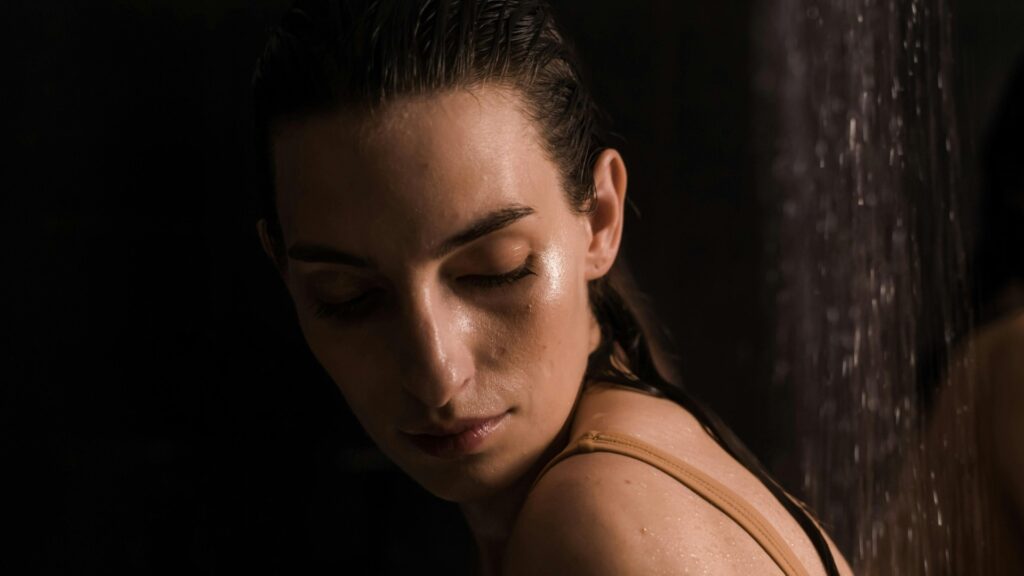
Turning off the lights before stepping into the shower may seem unusual, yet this practice is gaining attention from health professionals. Less light, more tranquility: could this small change elevate your evening routine into a truly soothing escape?
Less Light, More Calm for Your Internal Clock
The concept is straightforward: reduce visual stimuli to help your nervous system naturally slow down. Artificial light in the evening—especially from bright bulbs and screens—sends a wake-up signal to your brain. Experts at Harvard Medical School explain that exposure to light late in the day can inhibit melatonin production, the hormone that prepares your body for sleep. In essence, the brighter the light, the longer your system stays in “alert” mode.
Taking a shower in low light aligns with a restful transition routine. Dimmed lighting, or even complete darkness if safety permits, sends a clear message: the day is winding down, giving way to relaxation.
View this post on Instagram
A Reduced Sensory Stimulation, A Calmer State
Your body is a marvel of sensitivity. It reacts to light, sound, temperature, and textures. In a brightly lit environment, your alertness heightens. Conversely, a dimmer setting promotes the activation of the parasympathetic nervous system, which supports relaxation and recovery.
The Sleep Foundation emphasizes that reducing light in the evening is part of conventional sleep hygiene recommendations. While there may not be any specific studies on “showering in the dark” as an isolated practice, it aligns closely with these well-recognized principles.
By decreasing visual stimuli, you provide your mind the opportunity to unwind. Your breathing may deepen, your shoulders can relax, and your inner rhythms can slow down. Your body, with all its profound sensory richness, becomes the focal point of this experience.
An Invitation to Mindfulness
In darkness or semi-darkness, your focus naturally shifts to other sensations: the enveloping warmth of the water, the gentle stream cascading over your skin, the steam caressing your face. Some medical professionals suggest that this effect is akin to mindfulness practices. Without visual distractions, you become more attuned to your bodily sensations. This sensory immersion can transform an ordinary shower into almost a meditative ritual.
According to the American Psychological Association, mindfulness-based approaches help reduce stress and enhance overall well-being. Although showering in a dim ambiance may not replace a structured practice, it can embody its essence: slowing down, feeling, and welcoming. Your body becomes more than just a vessel for cleaning; it turns into a space for attentive and nurturing awareness.
A Practice to Adapt with Common Sense
That said, caution is essential. Showering in complete darkness may increase the risk of falls, particularly if your balance is unstable or your bathroom features slippery surfaces. Professionals recommend that if you choose to experiment with this practice, opt for very soft lighting instead of total darkness. A nightlight, indirect lighting, or a low-intensity bulb can create a cozy atmosphere while ensuring your safety. The goal is not performance or extremity, but comfort. You deserve an environment that is both soothing and secure.
In summary, showering in darkness isn’t an officially endorsed medical prescription. Instead, it is a habit grounded in simple principles: reducing light in the evening, easing stimuli, and preparing your body for sleep. Amid a daily life filled with screens, alerts, and neon lights, this minimalist gesture can evolve into a gentle act of self-care.
