
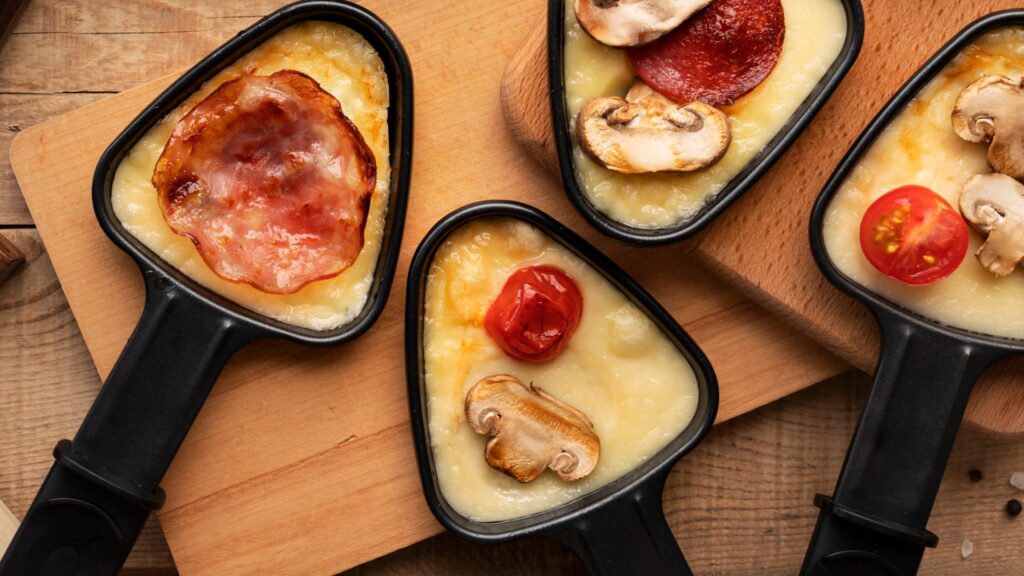
As the cold settles in and temperatures drop, cheese flows generously over potatoes. Raclette, the comforting dish often deemed too indulgent by fashion magazines, is a must during these chilly months. This hearty meal not only warms our bodies but also lifts our spirits, making it an excellent remedy for the winter blues. If you’re a fan of this creamy delight, you might just have Savoyard cheese running through your veins.
A Feel Good Dish Like No Other
Let’s be clear: raclette is not just a meal; it is a sensory experience. The slowly melting cheese, the warm and comforting aroma, the contrast between the richness of charcuterie and the softness of the potatoes—this symphony activates the brain’s pleasure centers. In simpler terms, each bite releases dopamine, the hormone that fills us with joy and contentment.
However, this is more than just a feast for the taste buds. Raclette belongs to a category of deeply nostalgic dishes that evoke a sense of safety and warmth: it is enveloping and generous, much like a cozy blanket you wrap around yourself after a long winter day. Our bodies perceive warmth as a reward, almost like a soothing internal embrace. We don’t just enjoy a dish; we reconnect with a primal sense of comfort.
The Magic of Togetherness at the Table
If raclette boosts our mood, it is also because it naturally invites others to join in. It’s nearly impossible to envision a raclette dinner happening solo. This dish is meant to be shared, where everyone participates by serving, melting, and helping themselves. It invites laughter, conversation, and the kind of exchanges that linger long after dessert is served.
From a psychological standpoint, eating in a group fosters an immediate sense of belonging—a social bond that serves as a potent antidote to anxiety and sadness. The simple act of being close to others can often soothe the mind. Raclette, with its almost ritualistic conviviality, enhances this dynamic: each person takes their time, the meal stretches out, conversations flow, and the worries of daily life gradually fade away.
A Reassuring and Calming Ritual
Raclette is one of those winter traditions that leaves a lasting impression. We know exactly how it will unfold: the cheese will melt, friendly competition will decide who gets the best serving spatula, we’ll enjoy one last helping even when we’re full, and someone will inevitably say, “Are we napping after this?” These little rituals provide a reassuring familiarity that is often more comforting than we realize.
Psychologists explain that recurring and predictable habits are soothing, as they allow little room for unpredictability. We master the layout, we know each other’s preferences, and we establish a shared routine. This stability is particularly comforting during stressful times or cold weather. Raclette thus becomes a warm anchor in an otherwise chaotic daily life.
A Permission to Let Go
One of the joys of a raclette evening is that it permits what we often deny ourselves: the freedom to indulge without calculation or constraint. There are no meticulously weighed portions to adhere to, no guilt—just pure, unadulterated pleasure. This release is liberating, especially in a society where food is frequently linked to performance (eat well, eat healthily, eat light).
Gathered around the bubbling apparatus, everyone lets down their guard. We serve seconds, share laughter, and slow down. Our minds find respite, and our bodies relax. It’s a moment when we drop the constant need for control, allowing ourselves to simply savor what lies before us—and psychologically, this is profoundly restorative.
Ultimately, if raclette lifts our spirits, it’s not merely because it tastes good. It’s because it reconnects us to what truly matters: the sweetness of moments shared with loved ones, the right to be ourselves effortlessly, and the joy of savoring the present, free from thoughts of tomorrow.
